
Garage Permits in Edmonton — Clear Guidance from Idea to Approval
- Know if your garage needs a building permit and/or development permit
- Confirm zoning, size, height, and location requirements early
- Prepare permit-ready garage drawings for City of Edmonton review
- Avoid delays, redesigns, and missed requirements
Get a free quote
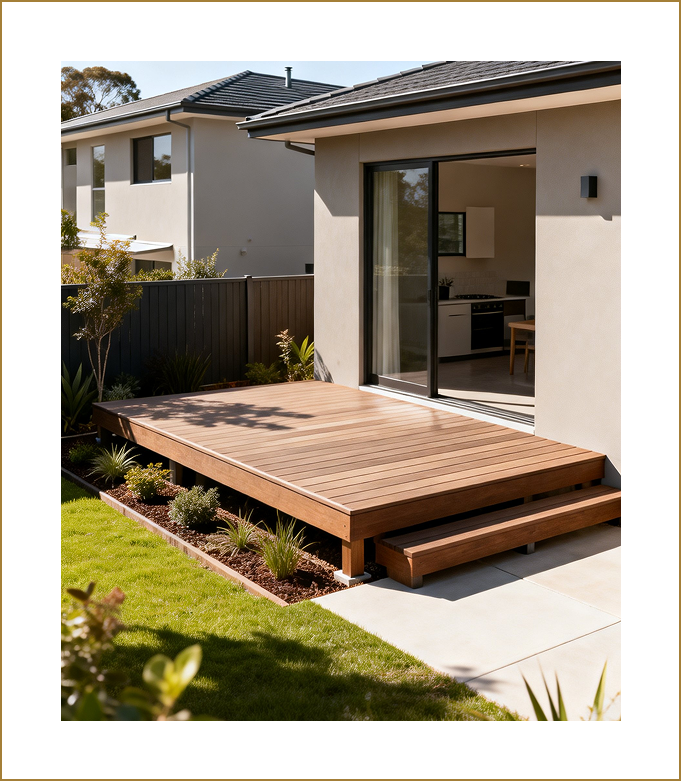

DO I NEED A PERMIT FOR A GARAGE IN EDMONTON?
In Edmonton, garages are classified as accessory buildings under the City of Edmonton Zoning Bylaw.
All garages require a building permit because the structure must comply with the Alberta Building Code.
A development permit may also be required if the proposed garage does not comply with the zoning rules for accessory buildings, including setbacks, height limits, site coverage, or location on the property. When a garage does not fully comply with the zoning rules, a development permit is used to review the proposal under the City’s planning regulations.
Accessory building regulations determine where garages can be located on the property, how large they can be, and how they relate to the principal dwelling.
Permit-ready drawings and approvals for Edmonton garages
We provide complete support for garage projects that require a building permit, a development permit, or both.
- Reviewing zoning and site analysis
- Confirming whether a development permit is required
- Preparing permit-ready garage drawings
- Addressing setbacks, height limits, size limits, and site coverage
- Managing City of Edmonton submissions and review comments
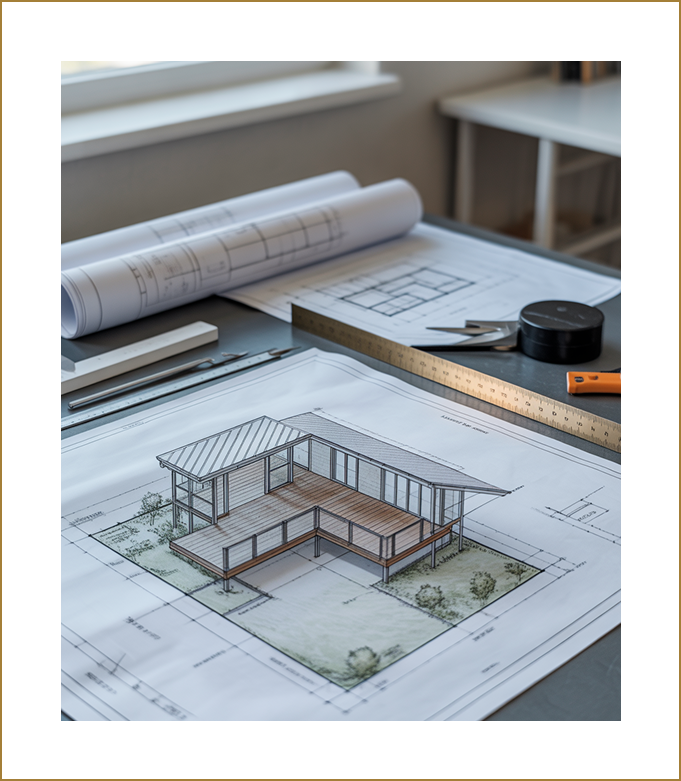
Experience with City of Edmonton approvals
Edmonton-specific experience
We regularly work with City of Edmonton garage permits across many neighbourhoods and lot types.
Design and planning together
Our drawings are prepared with zoning and building code requirements in mind — not just construction.
Clarity over complexity
We explain what permits are required, why they’re needed, and what to expect at each step.
Fewer surprises
By identifying zoning or code issues early, we reduce redesigns, delays, and inspection problems.
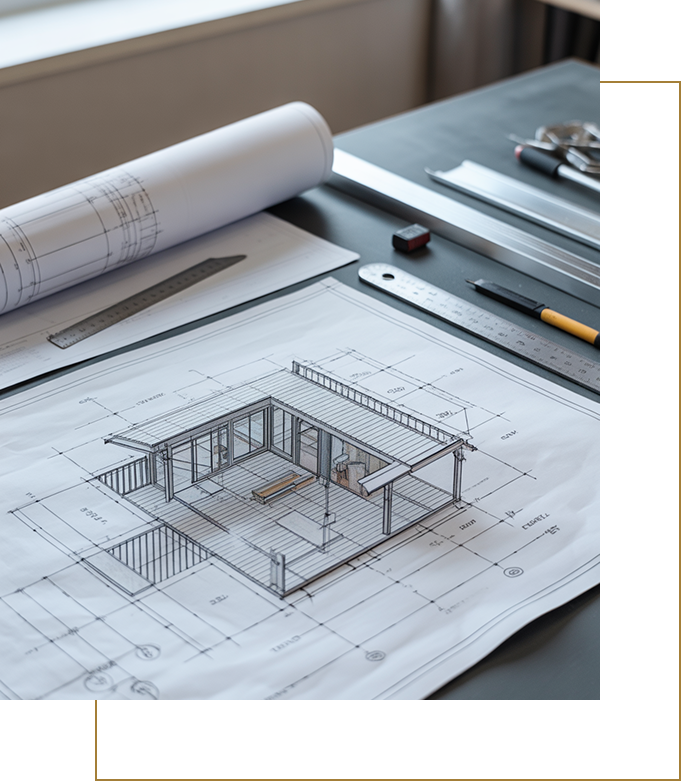
Design that supports approvals, not just construction
We prepare garage drawings designed specifically to meet City of Edmonton building permit requirements and accessory building regulations, aligned with the Edmonton Zoning Bylaw and the Alberta Building Code.
Our drawings demonstrate compliance with rules related to setbacks, height limits, and site coverage so that the application can move efficiently through the City review process.
HOW THE GARAGE PERMIT PROCESS WORKS
Step 1 — Project Review
We review your property, garage location, size, height, and access to determine the permits required.
Step 2 — Permit-Ready Drawings
We prepare professional drawings tailored for City of Edmonton review.
Step 3 — Permit Management
Client experiences
"I wanted to have a secondary suite and the team at Permit Masters was incredibly helpful with the entire permit process. They were very professional, conducted the site visit promptly, and within a week, they had submitted my application."
“We are very grateful for the services that we received from the Permit Masters professional team. They capture all the details and provide an easy to understand structure and outline to completing the permit process.”
“We moved into a house that had renovations done to it but no building permits. We wanted to get retroactive permits, if possible, in case there was ever an issue with our home insurer such as a fire or an injury related to the renos. In the end, we got all the permits we were looking for and the file is now closed. The whole process was smooth and easy.”
EDMONTON GARAGE RULES & FAQs
Is a garage considered an accessory building in Edmonton?
Yes. In Edmonton, a garage is classified as an accessory building under the Zoning Bylaw and must comply with rules related to size, height, setbacks, and location on the property.
Are there special rules for garages in certain zones?
Yes. Garages must comply with the rules of the zoning district where the property is located. Requirements such as setbacks, height limits, and site coverage may vary depending on the zone.
How much does a garage building permit cost in Edmonton?
Building permit fees are set by the City of Edmonton and are based on the value of construction. Permit fees may change annually and are confirmed at the time of application.
Do I need a development permit for a garage in Edmonton?
Not always. If the garage fully complies with the zoning rules for accessory buildings, a development permit may not be required. If the garage does not meet those rules, a development permit may be required to review the proposal.
Where can I build a garage or accessory building in Edmonton?
In most residential areas, garages are typically located in the rear yard of the property and must comply with the minimum setbacks from property lines and other structures on the site.
What are the height limits for a garage in Edmonton?
Accessory buildings such as garages must comply with height limits established in the Edmonton Zoning Bylaw. The allowable height depends on the zoning district and the design of the garage.
How big can a garage be in Edmonton?
Garage size is regulated through accessory building rules and site coverage limits. The garage must remain within the maximum allowable coverage for the property and comply with zoning regulations.
Can a garage include living space?
No. A garage may only be used for vehicle parking and storage. If living space is included, the structure is no longer considered a garage and may instead be classified as backyard housing or a garage suite.
How close can a garage be to the property line?
Minimum setbacks apply between garages and property lines. These setbacks are governed by both zoning rules and fire safety requirements under the Alberta Building Code.
Do I need any other permits for my garage?
Possibly. If the project includes electrical work, plumbing, heating, or gas connections, separate trade permits may also be required in addition to the building permit.
What are the height limits for a garage in Edmonton?
Detached garages are typically limited to approximately 4.3 metres in height. The exact height limit depends on the roof design and zoning district.
How big can a garage be in Edmonton?
The size of a garage is regulated through site coverage limits and accessory building rules. In most cases, accessory buildings on a residential property cannot exceed 20% of the total lot area.
How close can a garage be to the property line?
Detached garages are typically allowed as close as 0.6 metres from the rear property line, provided that building code requirements for fire protection are met.
To us, being a master means more than knowing the rules. It means years of hands-on experience, refined judgment, and the ability to anticipate challenges before they arise.
We’ve learned how municipalities actually work — not just how bylaws read — and we use that knowledge to guide projects with confidence and clarity.
Our role is to make a complex process feel simple, predictable, and manageable.